Show more
Read more
View product
View report
Drag
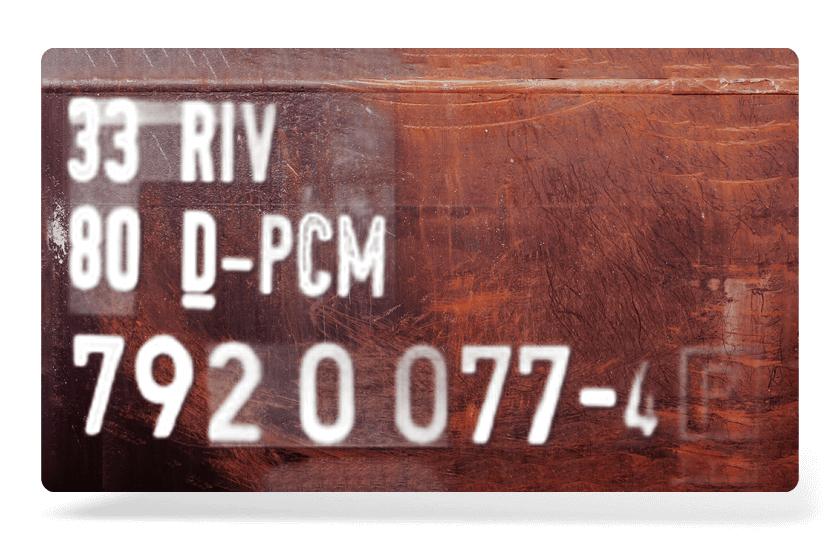
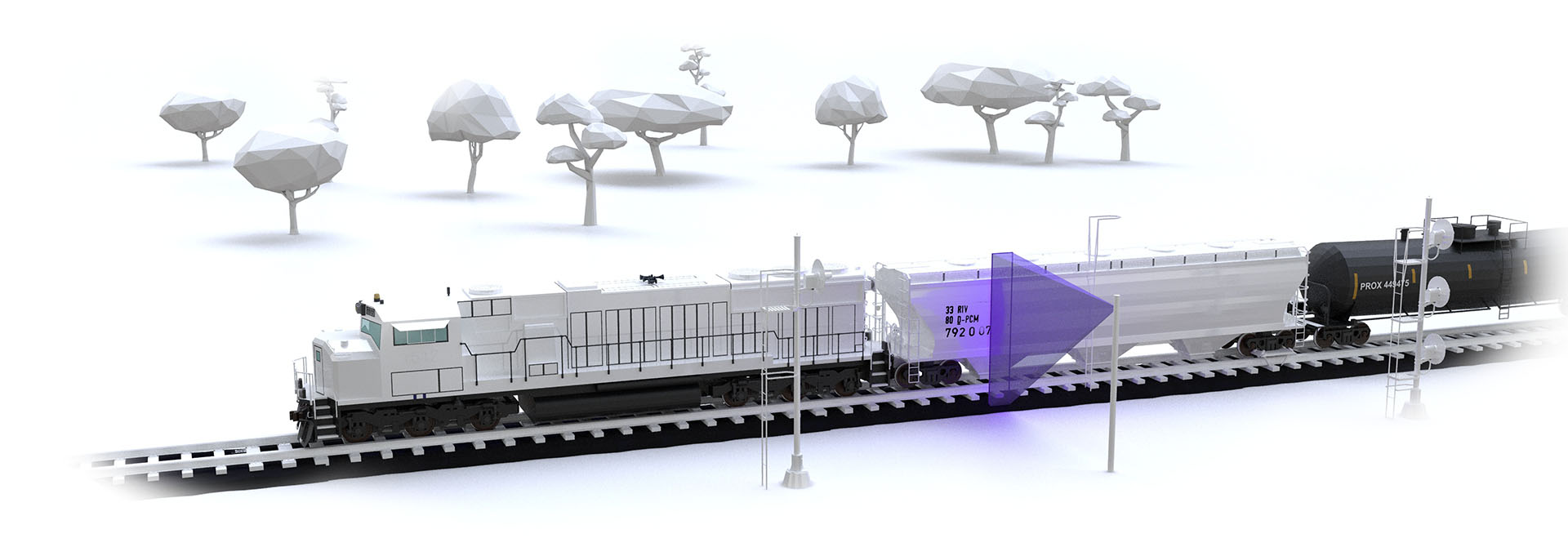
Carmen® OCR RailCode le permite lograr una visibilidad sin precedentes en su red ferroviaria. Extraiga y lea fácilmente cualquier código, incluidos UIC, BRA, RUS, AAR e incluso números de chasis norteamericanos, sin importar su ubicación o tipo de fuente, con una precisión inigualable del 99,7%.
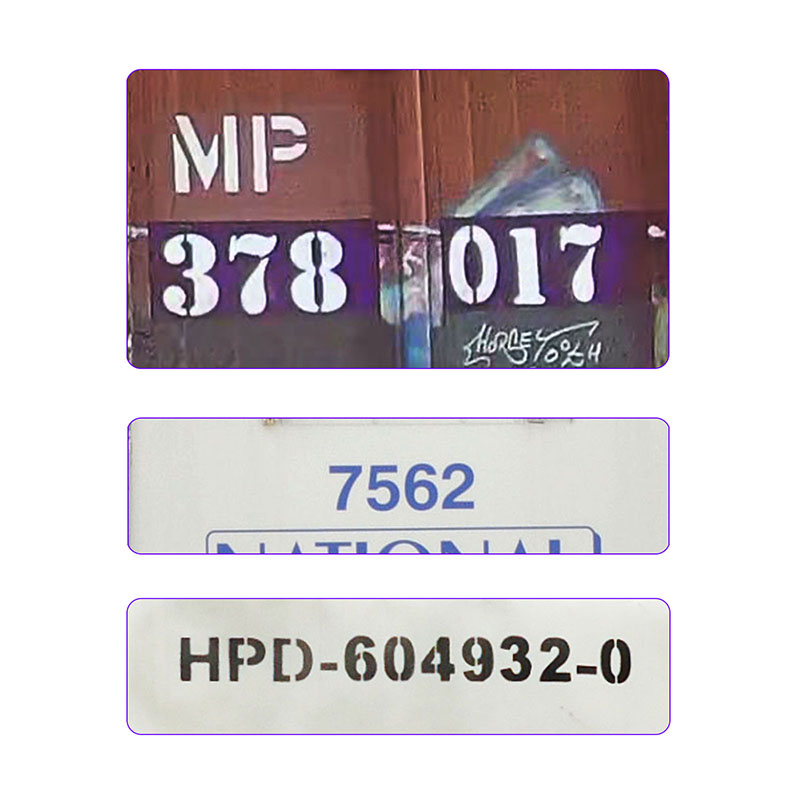
Gestione su red ferroviaria global con confianza utilizando Carmen® OCR RailCode, que ofrece una cobertura inigualable de códigos ferroviarios y elimina los problemas de compatibilidad. Nuestros motores RailCode, Carmen® EU_Rail (para códigos UIC y RUs) y Carmen® AM_Rail (para códigos AAR y BRA), proporcionan resultados con una precisión impresionante del 99.7%.
La independencia de la cámara ofrece flexibilidad adicional, lo que garantiza que Carmen® OCR RailCode proporcione una extracción de datos confiable de manera constante, sin importar la calidad de la cámara o las condiciones de iluminación.
Carmen® OCR RailCode se integra perfectamente con tu infraestructura existente, minimizando interrupciones.
A medida que tu red ferroviaria crece, Carmen® OCR RailCode se adapta sin esfuerzo para satisfacer tus necesidades. Ya administres una red regional pequeña o una operación global extensa, Carmen® OCR RailCode ofrece la escalabilidad y potencia necesarias para optimizar tus operaciones de manera eficaz.

Se reconocen los códigos ferroviarios europeos (UIC), rusos (RUS), brasileños (BRA) y norteamericanos (AAR)

Utilizado en miles de sistemas en todo el mundo

Desde sistemas pequeños y medianos hasta grandes y complejos

El SDK soporta el procesamiento de imágenes

Funciona en Windows y Linux.

Se lanzan cuatro actualizaciones por año
Carmen® OCR RailCode puede reconocer una amplia gama de códigos ferroviarios, incluidos los europeos (UIC), rusos (RUS), brasileños (BRA) y norteamericanos (AAR), así como números de chasis norteamericanos.
Los requisitos mínimos del sistema para Carmen® OCR RailCode incluyen una CPU de 2 GHz, 1 GB de RAM y 1 GB de disco duro. El software es compatible con los sistemas operativos Windows y Linux.
Carmen® OCR RailCode procesa secuencias de imágenes de múltiples fuentes, garantizando resultados óptimos de OCR independientemente de la posición de la cámara o las condiciones de iluminación. Admite varios formatos de imagen como BMP, PNG, JPEG y RAW.
Carmen® OCR RailCode recibe cuatro actualizaciones al año, lo que garantiza que se mantenga al día con los nuevos estándares y tecnologías, manteniendo su alta precisión y rendimiento.
Carmen® OCR RailCode cuenta con una API fácil de usar que permite una integración fluida con los sistemas de gestión ferroviaria existentes. Admite múltiples lenguajes de programación, incluidos C, C++, C#, Java y Visual Basic, lo que hace que la integración sea sencilla y eficiente.
Además de los códigos ferroviarios, Carmen® OCR RailCode puede extraer datos valiosos como el tamaño y tipo del contenedor, lo que permite una mejor gestión y optimización de la logística y operaciones ferroviarias.
La precisión incomparable y la funcionalidad completa de Carmen® OCR RailCode lo convierten en una herramienta invaluable para diversas aplicaciones centradas en agilizar y optimizar las operaciones ferroviarias. Aquí hay algunos de los usos más comunes:
/** \file ********************************************************************* * * cmocr02 - Sample program for Container Code Reader * * 2006-2021 (c) Adaptive Recognition Hungary Inc. (http://www.adaptiverecognition.com) ******************************************************************************/ /** * cmocr_readcodea() example * * Purpose: * Demonstrates the use of the cmocr_getresult() function * to read industrial codes from a series of images. * * Description: * After the user choose what kind o engine would like to try,f * the application loads the necessary images from file, adds them to the engine, and calls * the cmocr_getresult() function to read industrial codes from the series. */ #include "gxsdldr.c" #include "gximage.h" #include "cmocr.h" #include "gxproperty.h" #include #include #include "stringtools.c" /** Prints the GX error code and string to the stderr. */ void print_error(const char* format, ...) { int errcode; char errstr[256]; char _format[1024]; va_list args; gx_geterrora(&errcode, errstr, sizeof(errstr) - 1); errstr[sizeof(errstr) - 1] = 0; gx_snprintf(_format, sizeof(_format), "\n<%s> GX error (%x) occured: %s\n", format, errcode, errstr); va_start(args, format); vfprintf(stderr, _format, args); va_end(args); } /** * Main function */ #define NOCRTYPES 11 const char ocr_types[NOCRTYPES][16] = { "aar", "accr_usa", "bra", "chassis", "ilu", "iso", "isoilu", "moco" "rus", "uic", "usdot", }; int main(void) { gxHANDLE ocrhandle = { 0 }; gxHANDLE imagehandle = { 0 }; gxHANDLE prophandle; struct CMOCR_RESULT* presult = NULL; int confidence; char code[64]; char* type = 0; int choice_int; int ix; bool b_err = false; /** Open the container reader */ if (!gx_openmodulea(&prophandle, "gxproperty", "default")) { print_error("Error while opening gxproperty module"); return 0; } printf("Which engine would you like to try ?\n1.AAR\n2.ACCR_USA\n3.BRA\n4.CHASSIS\n5.ILU\n6.ISO\n7.ISOILU\n8.MOCO\n9.RUS\n10.UIC\n11.USDOT\n12.OLD engine(released before 21Q1)\n13.Use the default engine\nPlease choose a number between 1 and 13! Your choice : "); scanf("%d", &choice_int); while (choice_int < 1 || choice_int > 13) { printf("Please choose a number between 1 and 13: "); scanf("%d", &choice_int); } printf("\n"); if (choice_int <= NOCRTYPES) { char t[16] = "", ev[64] = ""; char engname[128] = ""; memset(engname, 0, sizeof(engname)); type = gx_strdup(ocr_types[choice_int - 1]); gx_strncpy(t, type, sizeof(t)); strupr(t); memset(ev, 0, sizeof(ev)); gx_snprintf(ev, sizeof(ev) - 1, "%s/cmocr", type); if (!gx_getpropertya(prophandle, ev, engname, (int)sizeof(engname))) { print_error("Reading %s property error", ev); b_err = true; } else { printf("You have choosen the \"%s\" engine: %s\n\n", t, engname); /** Open the container reader */ if (!gx_openmodulea(&ocrhandle, "cmocr", type)) { print_error("Error while opening cmocr module"); b_err = true; } } } else if (choice_int == 12) { char engine[128] = ""; printf("You have choosen an old engine (released before 21Q1), please give us the exact engine name like \"cmaccr-7.3.2.66:ilu\": "); scanf("%s", engine); if (!gx_setpropertya(prophandle, "default/cmocr", engine)) { print_error("Error while setting \"%s\" engine as a default", engine); b_err = true; } else { char t[16] = ""; type = substring(engine, indexOf(engine, ':') + 1); trimstr(type); gx_strncpy(t, type, sizeof(t)); strupr(t); printf("You have choosen the old (\"%s\") engine: %s\n\n", t, engine); /** Open the container reader */ if (!gx_openmodulea(&ocrhandle, "cmocr", "default")) { print_error("Error while opening cmocr module"); b_err = true; } } } else /** Open the container reader */ if (!gx_openmodulea(&ocrhandle, "cmocr", "default")) { print_error("Error while opening cmocr module"); b_err = true; } else { char defeng[128] = ""; memset(defeng, 0, sizeof(defeng)); if (!gx_getpropertya(prophandle, "default/cmocr", defeng, (int)sizeof(defeng))) { print_error("Get property error"); b_err = true; } else { char t[16] = "", * t1, * t2; type = substring(defeng, indexOf(defeng, ':') + 1); trimstr(type); gx_strncpy(t, type, sizeof(t)); strupr(t); printf("You have choosen the default (\"%s\") engine: %s\n\n", t, defeng); } } if (!b_err) { int i; char images[3][128]; /** Open the image module and allocates the image structure */ if (!gx_openmodulea(&imagehandle, "gximage", "default")) { print_error("Error while opening gximage module"); gx_unrefhandle(&ocrhandle); gx_unrefhandle(&prophandle); return 0; } /** Reset the container module */ if (!cmocr_reset(ocrhandle)) { print_error("Reset error"); gx_unrefhandle(&ocrhandle); gx_unrefhandle(&imagehandle); gx_unrefhandle(&prophandle); return 0; } memset(images, 0, sizeof(images)); for (i = 0; i < 3; i++) { gx_snprintf(images[i], sizeof(images[i]), "../../../data/%s%02i.jpg", type, i + 1); } free(type); for (ix = 0; ix < 3; ix++) { /** Allocate an image */ gxIMAGE* image = 0; if (!gx_allocimage(imagehandle, &image)) { print_error("Allocate image failed"); gx_unrefhandle(&ocrhandle); gx_unrefhandle(&imagehandle); gx_unrefhandle(&prophandle); return 0; } /** Load the image */ printf("Load image: %s...", images[ix]); if (!gx_loadimagea(imagehandle, image, images[ix], GX_UNDEF)) { print_error("FAILED"); gx_unrefimage(imagehandle, image); gx_unrefhandle(&ocrhandle); gx_unrefhandle(&imagehandle); gx_unrefhandle(&prophandle); return 0; } else printf("OK\n"); /** Add image to the module */ printf("Add image to the module..."); if (!cmocr_addimage(ocrhandle, image, 0)) { print_error("FAILED"); gx_unrefimage(imagehandle, image); gx_unrefhandle(&ocrhandle); gx_unrefhandle(&imagehandle); gx_unrefhandle(&prophandle); return 0; } else printf("OK\n"); gx_unrefimage(imagehandle, image); } /** Read the first container code */ printf("\nRead the container code by cmocr_getresult() function..."); if (!cmocr_getresult(ocrhandle, &presult)) { print_error("FAILED"); } else printf("OK\n"); if (!presult || (presult->code[0] == 0)) { printf("No result\n"); } else { int csvalid, checksum; printf("Code: '%s', Confidence: '%i'\n", presult->code, presult->confidence); for (ix = 0; ix < presult->nimage; ix++) printf("\tImgIndex: %d Code: '%s', Confidence: '%i'\n", presult->images[ix].imgindex, presult->images[ix].text, presult->images[ix].confidence); printf("\nRead the result of the checksum validation..."); if (!cmocr_checksumisvalid(ocrhandle, presult->code, &csvalid, &checksum)) { print_error("FAILED"); if (presult) gx_globalfree(presult); return 0; } else printf("OK\nChecksum validation result: %i, checksum: %i\n\n", csvalid, checksum); } /** Release the result memory */ if (presult) { gx_globalfree(presult); presult = 0; } /** Release the handle */ if (gx_isvalidhandle(ocrhandle)) gx_unrefhandle(&ocrhandle); if (gx_isvalidhandle(imagehandle)) gx_unrefhandle(&imagehandle); if (gx_isvalidhandle(prophandle)) gx_unrefhandle(&prophandle); return 1; } }
/** \file ********************************************************************* * * cmocr02 - Sample program for Container Code Reader * * 2006-2021 (c) Adaptive Recognition Hungary Inc. (http://www.adaptiverecognition.com) ******************************************************************************/ /** * FindFirstContainerCode() example * * Purpose: * Demonstrates the use of the FindFirstContainerCode() function * to read industrial codes from a series of images. * * Description: * After the user choose what kind of engine would like to try, * the application loads the necessary images from file, adds them to the engine, and calls * the FindFirstContainerCode() function to read indutrial codes from the series. */ #include "gxsdldr.cpp" #include "gximage.h" #include "cmocr.h" #include "gxproperty.h" #include #include #include #include #ifdef GX_NAMESPACES using namespace gx; using namespace cm; using namespace std; #endif // trim from start (in place) static inline void ltrim(std::string& s) { s.erase(s.begin(), std::find_if(s.begin(), s.end(), [](unsigned char ch) { return !std::isspace(ch); })); } // trim from end (in place) static inline void rtrim(std::string& s) { s.erase(std::find_if(s.rbegin(), s.rend(), [](unsigned char ch) { return !std::isspace(ch); }).base(), s.end()); } // trim from both ends (in place) static inline void trim(std::string& s) { ltrim(s); rtrim(s); } static inline std::string strupr(std::string s) { std::string ret = s; std::transform(ret.begin(), ret.end(), ret.begin(), [](unsigned char c) { return std::toupper(c); }); return ret; } /** * Main function */ int main(void) { const int NOCRTYPES = 11; char* ocr_types[NOCRTYPES] = { "aar", "accr_usa", "bra", "chassis", "ilu", "iso", "isoilu", "moco" "rus", "uic", "usdot", }; try { gxProperty gxProperty; cout << "Which engine would you like to try ?\n1.AAR\n2.ACCR_USA\n3.BRA\n4.CHASSIS\n5.ILU\n6.ISO\n7.ISOILU\n8.MOCO\n9.RUS\n10.UIC\n11.USDOT\n12.OLD engine(released before 21Q1)\n13.Use the default engine\nPlease choose a number between 1 and 13! Your choice : "; int choice_int; cin >> choice_int; while (choice_int < 1 || choice_int > 13) { cout << "Please choose a number between 1 and 13: "; cin >> choice_int; } cout << endl; // Open the container reader cmOcr* ocr = 0; string type = ""; if (choice_int <= NOCRTYPES) { type = ocr_types[choice_int - 1]; std::string utype = strupr(type); string engine = gxProperty.GetProperty(type + "/cmocr"); cout << "You have choosen the \"" << utype << "\" engine: " << engine << "\n\n"; ocr = new cmOcr(type); } else if (choice_int == 12) { cout << "You have choosen an old engine (released before 21Q1), please give us the exact engine name like \"cmaccr-7.3.2.66:ilu\": "; string engine; cin >> engine; gxProperty.SetProperty("default/cmocr", engine); type = engine.substr(engine.find(':') + 1); trim(type); std::string utype = strupr(type); cout << "You have choosen the old (\"" << utype << "\") engine: " << engine << "\n\n"; ocr = new cmOcr("default"); } else { ocr = new cmOcr("default"); string engine = gxProperty.GetProperty("default/cmocr"); type = engine.substr(engine.find(':') + 1); trim(type); std::string utype = strupr(type); cout << "You have choosen the default (\"" << utype << "\") engine: " << engine << "\n\n"; } // Reset the container module ocr->Reset(); char images[3][128]; memset(images, 0, sizeof(images)); for (int i = 0; i < 3; i++) { gx_snprintf(images[i], sizeof(images[i]), "../../../data/%s%02i.jpg", type.c_str(), i + 1); } for (int ix = 0; ix < 3; ix++) { // Load the image gxImage image; cout << "Load " << images[ix] << "..."; image.Load(images[ix]); cout << "OK" << endl; // Add image to the module cout << "Add image to the module" << "..."; ocr->AddImage(image, 0); cout << "OK" << endl; } cout << endl; // Read the code cout << "Read the code by FindFirstContainerCode() function..."; ocr->FindFirstContainerCode(); cout << "OK" << endl; if(ocr->IsValid()) { cout << "Code: '" << ocr->GetCodeA() << "', Confidence: '" << ocr->GetConfidence() << "'" << endl; for (int ix=0; ixGetNumberOfImages(); ix++) cout << "\t" << "ImgIndex: " << ocr->GetImageIndex(ix) << ", " << "Code: '" << ocr->GetImageTextA(ix) << "', " << "Confidence: '" << ocr->GetImageConfidence(ix) << "'" << endl; cout << endl << "Read the result of the checksum validation..."; int csvalid = ocr->ChecksumIsValid(); int checksum = ocr->GetChecksum(); cout << "OK" << endl; cout << "Checksum validation result: " << csvalid << ", checksum: " << checksum << endl << endl; } else { cout << "No result" << endl; } } catch(gxError &e) { // Displays error code and description cerr << "GX error (" << e.GetErrorCode() << ") occurred: " << e.GetErrorStringA() << "\n"; // Terminates the program return 0; } return 1; }
/** \file ********************************************************************* * * cmocr02 - Sample program for Container Code Reader * * 2006-2021 (c) Adaptive Recognition Hungary Inc. (http://www.adaptiverecognition.com) ******************************************************************************/ /** * FindFirstContainerCode() example * * Purpose: * Demonstrates the use of the FindFirstContainerCode() function * to read industrial codes from a series of images. * * Description: * After the user choose what kind of engine would like to try, * the application loads the necessary images from file, adds them to the engine, and calls * the FindFirstContainerCode() function to read indutrial codes from the series. */ using gx; using cm; using System; namespace cmocr01 { class MainClass { const int NOCRTYPES = 11; // Number of OCR engine types public static string[] ocr_types = new string[NOCRTYPES] { "aar", "accr_usa", "bra", "chassis", "ilu", "iso", "isoilu", "moco" "rus", "uic", "usdot", }; public static void Main(string[] args) { try { gxProperty gxProperty = new gxProperty(); Console.Write("Which engine would you like to try ?\n1.AAR\n2.ACCR_USA\n3.BRA\n4.CHASSIS\n5.ILU\n6.ISO\n7.ISOILU\n8.MOCO\n9.RUS\n10.UIC\n11.USDOT\n12.OLD engine(released before 21Q1)\n13.Use the default engine\nPlease choose a number between 1 and 13! Your choice : "); string choice = Console.ReadLine(); //Console.WriteLine("\""+choice+"\""); int choice_int = Convert.ToInt32(choice); while (choice_int < 1 || choice_int > 13) { Console.Write("Please choose a number between 1 and 13: "); choice = Console.ReadLine(); //Console.WriteLine("\"" + choice + "\""); choice_int = Convert.ToInt32(choice); } Console.WriteLine(); //Creates the OCR object cmOcr ocr; string type = ""; if (choice_int <= NOCRTYPES) { type = ocr_types[choice_int - 1]; Console.WriteLine("You have choosen the \"{0}\" engine: {1}\n", type.ToUpper(), gxProperty.GetProperty(type + "/cmocr")); ocr = new cmOcr(type); } else if (choice_int == 12) { Console.Write("You have choosen an old engine (released before 21Q1), please give us the exact engine name like \"cmaccr-7.3.2.66:ilu\": "); string engine = Console.ReadLine(); Console.WriteLine(); //Console.WriteLine("\"" + engine + "\""); gxProperty.SetProperty("default/cmocr", engine); type = engine.Substring(engine.IndexOf(":") + 1); type = type.Trim(); Console.WriteLine("You have choosen the old (\"{0}\") engine: {1}\n", type.ToUpper(), engine); ocr = new cmOcr("default"); } else { ocr = new cmOcr("default"); string engine = gxProperty.GetProperty("default/cmocr"); type = engine.Substring(engine.IndexOf(":") + 1); type = type.Trim(); Console.WriteLine("You have choosen the default (\"{0}\") engine: {1}\n", type.ToUpper(), engine); } ocr.Reset(); string[] images = new string[3]; for (int i = 0; i < images.Length; i++) { images[i] = "../../../../../../data/" + type + (i + 1).ToString("D2") + ".jpg"; } for (int ix = 0; ix < 3; ix++) { // Creates the image object gxImage image = new gxImage("default"); // Loads the sample image Console.Write("Load {0}...", images[ix]); image.Load(images[ix]); Console.WriteLine("OK"); // Add image to the module Console.Write("Add image to the module..."); ocr.AddImage(image, 0); Console.WriteLine("OK"); image.Dispose(); } Console.WriteLine(); //Console.WriteLine(ocr.GetProperty("datafile")); // Read the code Console.Write("Read the code by FindFirstContainerCode() function..."); ocr.FindFirstContainerCode(); Console.WriteLine("OK"); if (ocr.IsValid()) { Console.WriteLine("Code: '{0}', Confidence: '{1}'", ocr.GetCode(), ocr.GetConfidence()); for (int ix = 0; ix < ocr.GetNumberOfImages(); ix++) { Console.WriteLine("\tImgIndex: {0}, Code: '{1}', Confidence: '{2}'", ocr.GetImageIndex(ix), ocr.GetImageText(ix), ocr.GetImageConfidence(ix)); } Console.Write("Read the result of the checksum validation..."); int csvalid = ocr.ChecksumIsValid(); int checksum = ocr.GetChecksum(); Console.WriteLine("OK"); Console.WriteLine("Checksum validation result: {0}, checksum: {1}", csvalid, checksum); } else { Console.WriteLine("No result"); } //Console.ReadKey(); } catch (gxException) { Console.Error.WriteLine("GX error (" + gxSystem.GetErrorCode() + ") occured: " + gxSystem.GetErrorString()); //Console.ReadKey(); } } } }
/** \file ********************************************************************* * * cmocr02 - Sample program for Container Code Reader * * 2006-2021 (c) Adaptive Recognition Hungary Inc. (http://www.adaptiverecognition.com) ******************************************************************************/ /** * FindFirstContainerCode() example * * Purpose: * Demonstrates the use of the FindFirstContainerCode() function * to read industrial codes from a series of images. * * Description: * After the user choose what kind of engine would like to try, * the application loads the necessary images from file, adds them to the engine, and calls * the FindFirstContainerCode() function to read indutrial codes from the series. */ import com.adaptiverecognition.gx.*; import com.adaptiverecognition.cm.*; import java.io.InputStreamReader; import java.io.BufferedReader; import java.io.IOException; public class cmocr02 { static { try { System.loadLibrary("jgx"); System.loadLibrary("jcmocr"); } catch (UnsatisfiedLinkError e) { System.err.println("Native code library failed to load." + e); System.exit(1); } } public static int NOCRTYPES = 11; public static String ocr_types[] = { "aar", "accr_usa", "bra", "chassis", "ilu", "iso", "isoilu", "moco" "rus", "uic", "usdot", }; public static void main(String argv[]) throws IOException { try { gxProperty gxProperty = new gxProperty(); System.out.print("Which engine would you like to try ?\n1.AAR\n2.ACCR_USA\n3.BRA\n4.CHASSIS\n5.ILU\n6.ISO\n7.ISOILU\n8.MOCO\n9.RUS\n10.UIC\n11.USDOT\n12.OLD engine(released before 21Q1)\n13.Use the default engine\nPlease choose a number between 1 and 13! Your choice : "); // Enter data using BufferReader BufferedReader reader = new BufferedReader( new InputStreamReader(System.in)); String choice = reader.readLine(); int choice_int = Integer.parseInt(choice); while (choice_int < 1 || choice_int > 13) { System.out.print("Please choose a number between 1 and 13: "); choice = reader.readLine(); //Console.WriteLine("\"" + choice + "\""); choice_int = Integer.parseInt(choice); } System.out.println(""); // Creates the OCR object cmOcr ocr; String type = ""; if (choice_int <= NOCRTYPES) { type = ocr_types[choice_int - 1]; System.out.println("You have choosen the \"" + type.toUpperCase() + "\" engine: " + gxProperty.GetProperty(type + "/cmocr") + "\n"); ocr = new cmOcr(type); } else if (choice_int == 12) { System.out.println("You have choosen an old engine (released before 21Q1), please give us the exact engine name like \"cmaccr-7.3.2.66:ilu\": "); String engine = reader.readLine(); //System.out.println("\"" + engine + "\""); gxProperty.SetProperty("default/cmocr", engine); type = engine.substring(engine.indexOf(":") + 1); type = type.trim(); System.out.println("You have choosen the old (\"" + type.toUpperCase() + "\") engine: " + engine + "\n"); ocr = new cmOcr("default"); } else { ocr = new cmOcr("default"); String engine = gxProperty.GetProperty("default/cmocr"); //System.out.println("\"" + engine + "\""); gxProperty.SetProperty("default/cmocr", engine); type = engine.substring(engine.indexOf(":") + 1); type = type.trim(); System.out.println("You have choosen the default (\"" + type.toUpperCase() + "\") engine: " + engine + "\n"); } // Reset the container module ocr.Reset(); String images[] = new String[3]; for (int i = 0; i < images.length; i++) { images[i] = "../../data/" + type + String.format("%02d", i + 1) +".jpg"; } for (int ix = 0; ix < 3; ix++) { // Creates the image object gxImage image = new gxImage("default"); // Loads the sample image System.out.print("Load: " + images[ix] + "..."); image.Load(images[ix]); System.out.println("OK"); // Add image to the module System.out.print("Add image to the module..."); ocr.AddImage(image, 0); System.out.println("OK"); } System.out.println(""); // Read code System.out.print("Read the code by FindFirstContainerCode() fucntion..."); ocr.FindFirstContainerCode(); System.out.println("OK"); if (ocr.IsValid()) { System.out.println("Code: '" + ocr.GetCode() + "', Confidence: '" + ocr.GetConfidence() + "'"); for (int ix = 0; ix < ocr.GetNumberOfImages(); ix++) System.out.println("\tImgIndex: " + ocr.GetImageIndex(ix) + ", " + "Code: '" + ocr.GetImageText(ix) + ", " + "Confidence: '" + ocr.GetImageConfidence(ix) + "'"); System.out.print("Read the result of the checksum validation..."); int csvalid = ocr.ChecksumIsValid(); int checksum = ocr.GetChecksum(); System.out.println("OK\nChecksum validation result: " + csvalid + ", checksum: " + checksum); } else { System.out.println("No result"); } } catch (RuntimeException e) { System.err.println("GX error (" + String.format("0x%08x",gxSystem.GetErrorCode()) + ") occured: " + gxSystem.GetErrorString()); System.exit(1); } } }
'/** \file ********************************************************************* ' * ' * cmanpr01 - CMANPR sample program ' * ' * 2006-2021 (c) Adaptive Recognition Hungary Inc. (http://www.adaptiverecognition.com) ' ******************************************************************************/ ' '/** ' * Show an ANPR process ' * ' * Purpose: ' * At the beginning, the application is checking if everything is all right with the gxsd.dat syntax, if not, the execution will stop and will notify the user about the problem. ' * Shows how to do an ANPR on an image and print out the result in text ' */ Imports System Imports gx Imports cm Module Main Sub Main() Try Dim gxProperty As gxProperty = New gxProperty gxProperty.IsPropertiesValid() Console.WriteLine("The syntax of the gxsd.dat file is fine!") Console.WriteLine() ' Creates the ANPR object Dim anpr As cmAnpr = New cmAnpr("default") ' Creates the image object Dim image As gxImage = New gxImage("default") ' Gets the name of the default engine Console.WriteLine("Engine: '{0}'", anpr.GetProperty("anprname")) Console.WriteLine() ' Checks the licenses for the default engine If Not anpr.CheckLicenses4Engine("", 0) Then Console.WriteLine("Cannot find licenses for the current engine!!!") Exit Sub End If ' Loads the sample image image.Load("../../../../../../data/plate.jpg") ' Finds the first license plate If anpr.FindFirst(image) Then ' Get short country code Dim cc As String cc = anpr.GetCountryCode(anpr.GetType(), CC_TYPE.CCT_COUNTRY_SHORT) If cc.Length = 0 Then cc = "No plate type" ' Displays the result, Country code and type Console.WriteLine("Plate text: '{0}'; Country code: '{1}' ({2})", anpr.GetText(), cc, anpr.GetType()) Else Console.WriteLine("No license plate found") End If Console.ReadKey() Catch ex As gxException Console.Error.WriteLine("GX error (" + gxSystem.GetErrorCode().ToString() + ") occured: " + gxSystem.GetErrorString()) Console.ReadKey() End Try End Sub End Module
1 - 2
1 - 4
1 - 8
1 - 2
1 - 5
2 - 10
1 - 3
2 - 7
2 - 14
Nuestros expertos en ventas y productos están aquí para ayudar. Contáctenos o encuentre un afiliado cerca de su ubicación.

Para quienes buscan avances revolucionarios.
Explora productos que llevan los límites de lo que puedes lograr.
Cada industria enfrenta desafíos únicos. Descubre cómo Adaptive Recognition puede ser tu aliado para superarlos y salir fortalecido.
Ve más allá de las palabras, descubre las pruebas. Explora nuestros proyectos de referencia y casos de estudio para ver cómo Adaptive Recognition ofrece resultados excepcionales.